1. Identify the substance
The team checks labels, safety data sheets and the history of the site. If the substance is unknown, crews treat it as hazardous until it is identified.
Reed, Portland, OR · Multnomah County
Landlords and homeowners in Reed call (877) 812-4220 when a move-out, an inheritance or a leak leaves chemicals behind. Crews identify the products, remove them and clean what they contaminated.
If anyone is in danger, call 911 first. For a suicide crisis, call or text 988.
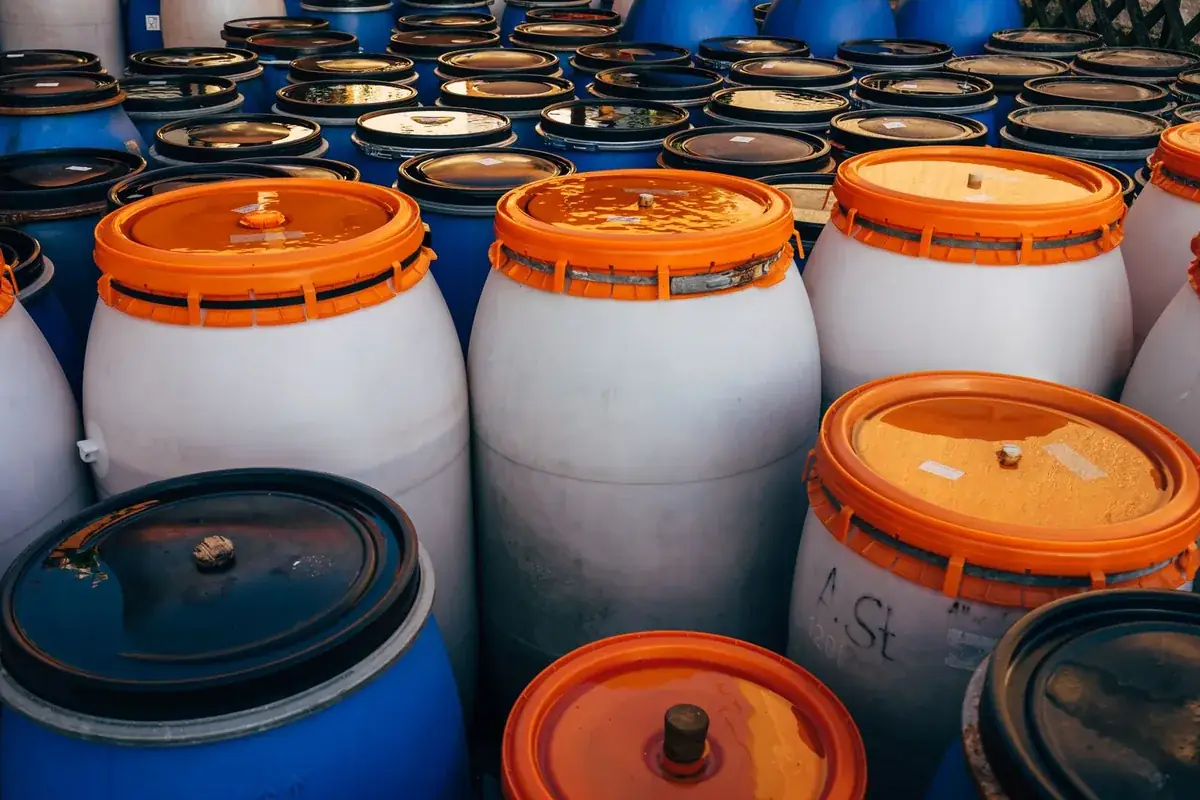
A chemical spill cleanup begins with identifying the substance and ends with waste hauled to a facility that can accept it. In between, crews contain the spread, remove soaked materials and clean the affected area.
When your Reed property has chemical waste that nobody should touch, you get a team with the gear, absorbents and containers to finish the job safely. Call Reed Biohazard Cleanup Help, and you get plain answers and documentation.
With vacancy at about 6% of homes in Portland, chemical problems are usually found quickly by residents or neighbors. Wet weather in Reed, about 44 inches of precipitation a year, speeds the rusting of old drums and the spread of leaked product.
Chemical & Toxic Waste Cleanup in Reed usually includes:
The team checks labels, safety data sheets and the history of the site. If the substance is unknown, crews treat it as hazardous until it is identified.
People and pets are kept out. Ignition sources and unsafe airflow are controlled, and workers put on protective gear matched to the hazard.
Barriers and absorbent materials stop the spill from spreading. The substance, damaged containers and soaked items are collected in suitable sealed containers.
Surfaces are cleaned with methods suited to the substance. Waste is labeled, sorted by type and hauled by the rules that apply.
The cost of chemical & toxic waste cleanup in Reed, Portland, OR depends on the amount of material, how it is packed and how it is hauled.
Insurance may help in some cases. Some policies cover sudden spills, and many exclude pollution or long-term leaks, so call the insurer before work starts and keep every receipt.
| Type of job | Typical range |
|---|---|
| Hazardous chemicals | $30 - $50 per barrel |
These ranges come from published cost guides (Fixr) and are not a quote for Reed. Price drivers include type of chemical, amount, packaging and transport, disposal fees. For a real number, call (877) 812-4220.
It depends on the policy. Some cover sudden spills, and many exclude pollution or long-term leaks. Read your policy and call the insurance company before cleanup starts, then take photos from a safe spot and keep every receipt.
Keep people away and call 911 if there is danger. Cleanup teams place barriers and absorbents to stop the spread and remove contaminated soil or materials where needed. Local fire and health officials can say what must be reported.
Chemicals can irritate or burn skin and eyes, harm the lungs and poison people who swallow them. Some give off fumes or catch fire. Call 911 in an emergency and Poison Control for exposure questions, and tell them the product name if known.
Biological hazards come from living things, such as bacteria, viruses and body fluids. Chemical hazards come from substances like solvents, acids, fuels and pesticides. They need different gear, products and disposal, and some jobs involve both.
The terms overlap. Hazmat usually refers to the wider set of hazardous materials, and chemical and toxic waste describes leftover or spilled chemicals. Both call for careful handling. A local team can explain which term fits your situation.
Old or leaking products are a risk. Heat, humidity and age can damage containers, and fumes can build up. If containers are leaking, damaged or unlabeled, have a cleanup team remove them.
Describe what you see by phone and the team explains the next safe step.
Call (877) 812-4220